HVAC & Water Heater Services in Downtown Phoenix, AZ
Local HVAC Contractor Expertise
Downtown Phoenix, AZ sits at the heart of the Valley of the Sun, where HVAC contractor expertise matters most. Historic lofts in the Orpheum and Fillmore buildings—built in the 1930s with concrete, brick, and high ceilings—demand specialized cooling systems. Modern high-rises alongside mid-century office towers create unique ductwork challenges. This page covers air conditioning services, heating maintenance, and water heater repair service for downtown residents and businesses navigating Phoenix's extreme heat and the city's specific building codes.
How Downtown Cooling Works
The Path to Reliable Climate Control in Phoenix's Urban Core
Diagnosis & Load Assessment
Downtown Phoenix properties face uneven cooling challenges. Historic lofts with exposed brick walls and industrial ductwork absorb heat differently than modern condos. Rooftop AC units in the Financial District contend with radiant heat and dust storms year-round. We assess square footage, insulation levels, and existing ductwork to size your system correctly.
Proper sizing prevents both undersized systems that strain in 115°F heat and oversized units that waste energy.
System Selection & Planning
Downtown's mixed architecture requires tailored solutions. Art deco high-rises need equipment that fits rooftop constraints. Roosevelt Row lofts may require ductless mini-splits due to exposed interior finishes. We match equipment to your building type, aesthetic, and Phoenix building code requirements.
Installation with Precision
Historic buildings demand careful work. Rooftop installations respect parapet walls and structural loading limits. Interior ductwork avoids conflicts with century-old brick. Electrical connections meet Phoenix code standards. Every connection is tested and sealed to block the dust storms common in our desert city.
Our Services
AC, Heating, and Water Heating for Downtown Living
AC Installation
Cooling systems engineered for downtown's dense buildings and extreme summer heat. We handle rooftop equipment, ductless splits, and retrofit work in historic properties. Each installation respects building codes and HOA requirements.
HVAC Maintenance
Phoenix dust storms clog filters fast. Monthly filter checks, coil cleaning, and refrigerant verification keep systems running at peak efficiency. Preventative maintenance prevents costly breakdowns during our nine-month cooling season.
Water Heater Repair
Tankless and tank water heaters in downtown lofts and condos need expert care. We diagnose leaks, replace heating elements, and handle gas line safety. Emergency repairs available for buildings with shared systems.
HVAC Repair
Broken compressors, refrigerant leaks, and thermostat failures don't wait. We diagnose and fix problems in historic buildings and modern towers. Same-call diagnostics and honest repair recommendations.
Emergency Service
Heat emergencies in downtown condos demand fast response. We prioritize calls from Copper Square, Roosevelt Row, and the Financial District. Availability for evening and weekend repairs.
Commercial HVAC
Retail shops, office suites, and entertainment venues in downtown buildings rely on robust cooling. We service multi-zone systems, rooftop units, and high-occupancy HVAC setups.
Why Downtown Phoenix Needs Local Expertise
Building Type Challenges, Desert Climate Demands
Historic Lofts & Converted Buildings
The Orpheum Lofts (1930s art deco), Lofts at Fillmore (1929), and other renovated industrial buildings have structural constraints. Rooftop loading limits, no basement crawl space, and enclosed concrete shafts mean HVAC solutions must be custom-fitted. Historic preservation rules may restrict where outdoor units sit.
Downtown's dense urban environment means cooling towers and rooftop units must respect parapet walls and neighbor proximity.
Heat Island Effect & Summer Demands
Downtown Phoenix averages 7.4°F hotter than surrounding areas due to concrete, asphalt, and high-rise density. Summer cooling runs continuously May through September—nine months of strain. AC systems work longer and harder than in nearby suburbs. Sizing and efficiency aren't optional.
Dust Storms & Air Quality
Phoenix dust storms (haboobs) clog filters and degrade indoor air quality fast. Downtown condos and lofts need sealed ductwork and frequent maintenance. Indoor air quality systems protect residents from desert allergens and fine dust particles that damage AC components.
Building Code & HOA Compliance
Downtown Phoenix buildings must meet International Mechanical Code standards with local amendments. High-rises and condos enforce HOA rules on equipment placement and noise levels. Orpheum residents can't install window units. Roosevelt Row lofts face aesthetic restrictions. We know these rules and design systems that pass inspection.
Getting Here & Serving Downtown
Fast Access to Downtown's Core & Surrounding Neighborhoods
Downtown Core (16th Street to 19th Avenue)
We serve all downtown neighborhoods: Copper Square (art galleries & apartments), Roosevelt Row (lofts near ASU), Garfield Historic District, and the Financial District. Civic Space Park area, Chase Field vicinity, and Footprint Center neighborhoods all within our service zone. Street parking available; buildings often have service garages.
Central Corridor & Midtown
The Central Avenue Corridor north of downtown (Encanto, historic neighborhoods) gets same-call service. Parking is straightforward. Light rail nearby at multiple stops.
Downtown's light rail connectivity and walkable streets make service calls accessible. No high-rise elevator waits—we plan around building schedules.
Why Your AC and Water Heater Matter Downtown
How Building Type & Location Affect Performance & Cost
What happens when your AC fails in downtown?
Historic loft residents can't open windows safely in summer (street noise, dust). Condo associations require working units or face HOA violations. Downtown office tenants lose productivity and client trust. In 115°F heat, a broken system creates liability and health risk. Preventative maintenance avoids emergency calls at inflated rates.
Water heater emergencies in shared buildings
Many downtown condos have shared water heater systems. Tankless water heaters in lofts are efficient but sensitive to hard water and mineral buildup common in Phoenix tap water. A failing heater means cold showers and angry neighbors. Rapid diagnostics and honest repair advice prevent costly replacements.
20+ years of experience serving downtown Phoenix properties. 500+ AC and water heater jobs completed in historic and modern buildings across Copper Square, Roosevelt Row, and the Financial District.
Frequently Asked Questions
Can you work in downtown lofts without violating HOA or historic rules?
Yes. We understand Orpheum Lofts, Fillmore Lofts, and Roosevelt Row restrictions on rooftop equipment, noise, and aesthetics. We coordinate with building management and design systems that comply with preservation guidelines and HOA approval.
How often do AC filters need changing in downtown?
Phoenix dust storms accelerate filter clogging. Downtown residents should check filters monthly and replace every 1–2 months during peak cooling season (May–September). Apartment buildings may require quarterly professional maintenance.
What's the difference between a tankless and tank water heater downtown?
Tankless units save space (critical in lofts) and energy, but need regular descaling due to Phoenix hard water. Tank heaters require storage room but are simpler. We help you choose based on your building's infrastructure and usage patterns.
Do you handle shared HVAC systems in high-rises?
Yes. Many downtown condos have shared rooftop units serving multiple units or common areas. We diagnose zone problems, balance airflow, and coordinate repairs with building management and HOA approval.
Are emergency repair calls available on weekends?
Yes. Heat emergencies don't follow business hours. We dispatch emergency service for downtown AC failures and water heater leaks on evenings and weekends. Call for availability and service response times.
What does Phoenix building code require for HVAC systems?
Phoenix enforces the International Mechanical Code with local amendments. Habitable spaces must maintain 70°F with active or passive cooling. High-rise buildings and entertainment venues face additional ventilation and safety rules. We ensure all work meets current codes.
DISCOVER WHAT OUR CUSTOMERS HAVE TO SAY ABOUT US
REVIEWS
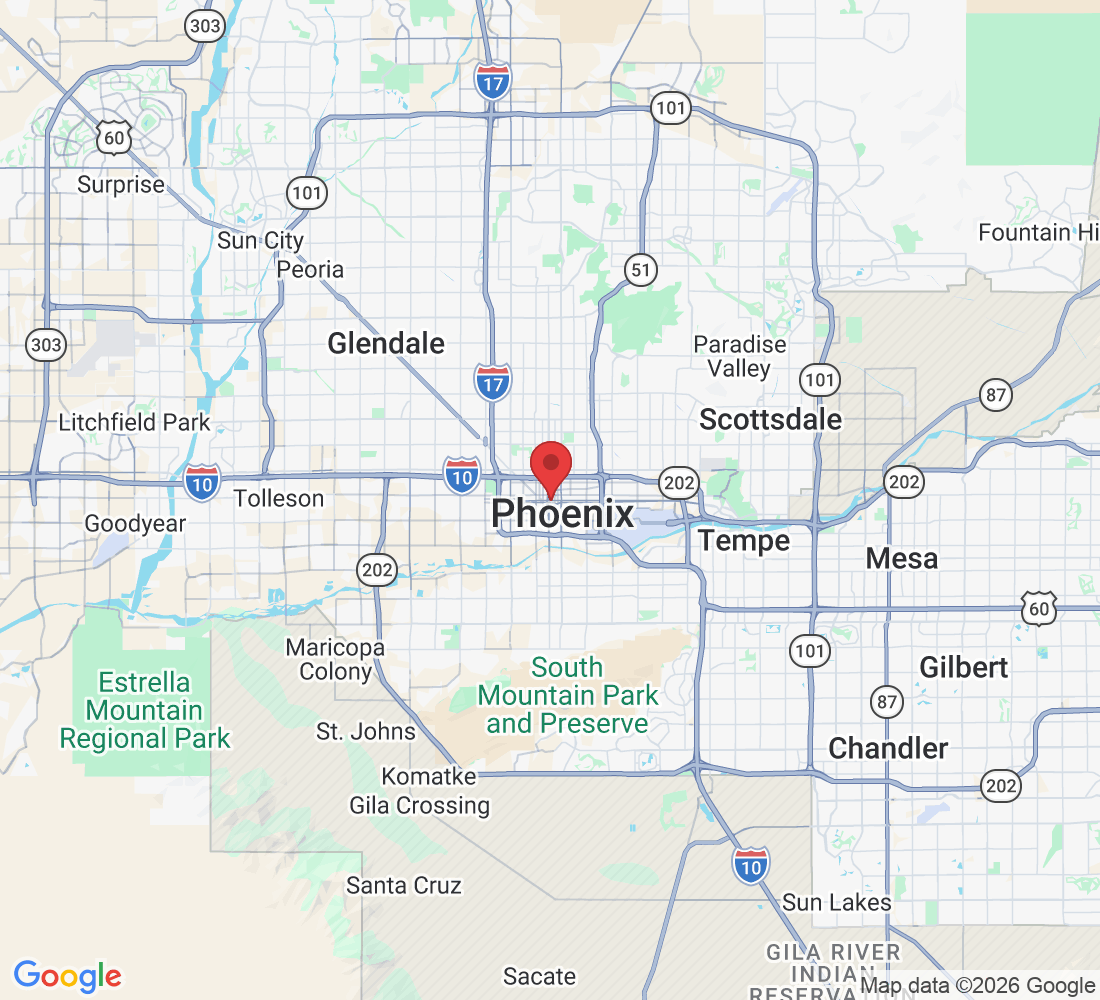
proudly serving these areas
Surprise, AZ
Glendale, AZ
Scottsdale, AZ
Phoenix, AZ
Buckeye
Peoria
Sun City
Good Year
READY TO take the next step?
get a free quote TODAY!
QUICK LINKS
our services
service areas
operating HOURS
Mon: 8:00 am - 5:30 pm
Tue: 8:00 am - 5:30 pm
Wed: 8:00 am - 5:30 pm
Thu: 8:00 am - 5:30 pm
Fri: 8:00 am - 5:30 pm
Sat: - Emergency Calls only
Sun: - Emergency Calls only